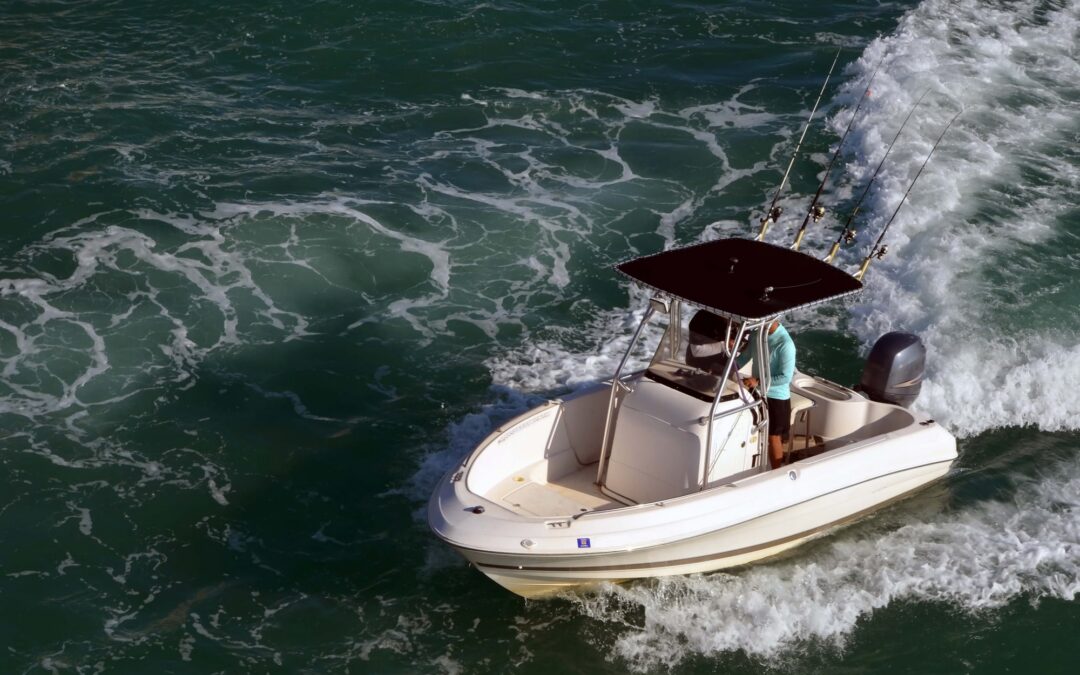
Boating accidents can happen quickly and often result in serious injuries, partly because passengers on boats typically have less protection than occupants of a car. Understanding how liability works in boating accidents can help injured victims and their families know what steps to take. A Fairmont, WV personal injury lawyer can help injured boating accident victims understand how liability may apply and what legal options may be available.
Common Causes of Boating Accidents
Many boating accidents result from operator inexperience or lack of proper training, operating a boat while under the influence of alcohol, excessive speed in crowded or narrow waterways, failure to maintain a proper lookout for swimmers, other boats, or obstacles, and equipment failure due to poor maintenance.
Who May Be Held Responsible
Depending on the circumstances, liability for a boating accident may fall on the operator of the boat, the owner of the vessel if different from the operator, a rental company that provided a poorly maintained or defective boat, or a manufacturer if a defect in the boat or its equipment contributed to the accident.
Boating Under the Influence
Just as with driving a car, operating a boat while intoxicated is illegal in most jurisdictions and significantly increases the risk of a serious accident. Evidence of intoxication, such as field sobriety results or blood alcohol testing, can play an important role in establishing liability in a boating accident claim.
The Role of Safety Equipment
Boats are generally required to carry certain safety equipment, including life jackets, fire extinguishers, and proper lighting. A failure to maintain or provide this equipment can be an important factor in determining whether an operator or owner acted negligently.
Maritime Law Considerations
Some boating accidents, particularly those occurring on navigable waters, may be governed by specific maritime laws rather than typical state personal injury law. These rules can affect how claims are filed, what damages are available, and which court has jurisdiction over the case.
Injuries Common in Boating Accidents
Boating accidents often result in injuries such as traumatic brain injuries from collisions, drowning or near-drowning incidents, propeller injuries, and injuries from being thrown from the vessel due to sudden stops or rough water.
Steps to Take After a Boating Accident
If you are involved in a boating accident, seek medical attention immediately, report the incident to the appropriate authorities, and document the scene with photos if possible. Gather contact information from other passengers, witnesses, and the boat operator, and avoid discussing fault before understanding your rights.
Rental Company Responsibility
Companies that rent out boats or jet skis have a duty to properly maintain their equipment and to provide adequate instruction to inexperienced renters. If a rental company fails to inspect a vessel or neglects to warn renters about known hazards, it may share liability for any resulting accident, particularly when the renter had little or no prior boating experience.
The Bottom Line
Boating accidents can involve unique legal considerations compared to accidents on land. If you have been injured while boating, understanding who may be responsible and how maritime law might apply is an important part of pursuing a claim. Contact Hayhurst Law PLLC if you have been injured in a boating accident and need help understanding your legal rights, potential liability, and options for pursuing compensation.